Discovery Flight Checklist for Prospective Pilots
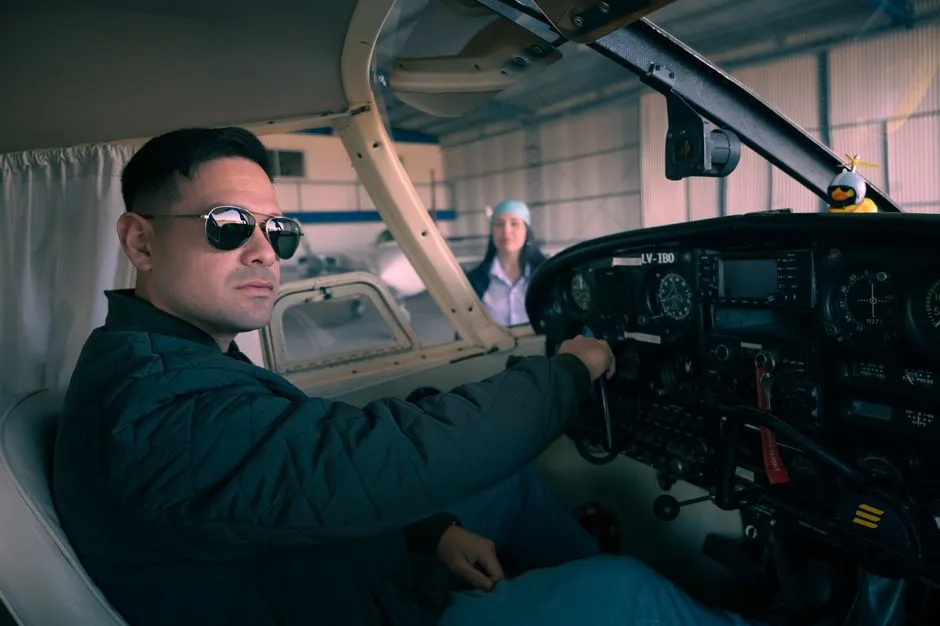
- Use a discovery flight to observe, not to endorse
- Confirm what you are buying before arrival
- Bring a short personal checklist
- Observe the briefing before approaching the aircraft
- Watch how aircraft access is managed
- Notice communication during the flight
- Separate instruction quality from sales pressure
- Score the visit with facts, not atmosphere
- Continue the evaluation after the flight
- Sources
Use a discovery flight to observe, not to endorse
A discovery flight is a short introductory lesson and a useful way to observe how a training provider communicates. Before booking, confirm the price, ground and flight time, instructor, aircraft, cancellation terms, identification requirements, and any passenger or accessibility limits. During the visit, note the briefing, ramp controls, aircraft access, workload communication, schedule reality, and response to questions. Afterward, leave without making an immediate commitment and compare the written answers with other providers.
One pleasant flight does not establish that a school, instructor, aircraft, or maintenance program is safe. It is one sample. The FAA's current school-selection guidance recommends developing a checklist, visiting the provider, talking with management, instructors, and students, and taking time to think before deciding.
Confirm what you are buying before arrival
Ask the provider to describe the event in writing. “Discovery flight” is a marketing label, so the contents vary. Record:
- the total amount due and what it includes;
- expected briefing, taxi, airborne, and post-flight time;
- the aircraft type and whether a substitution changes the price;
- whether a certificated flight instructor conducts the flight;
- whether it is treated as a lesson and, if so, how training time is documented;
- weather, cancellation, rescheduling, and refund terms;
- identification, age, weight, clothing, footwear, and passenger rules;
- accessibility arrangements and how early to request them.
Ask what happens if weather, maintenance, instructor availability, or aircraft availability changes. A cancellation made for operational reasons is not proof of poor service; the useful observation is whether the provider communicates the change clearly and applies its written terms consistently.
Do not buy a large training package to secure the introductory slot. The purpose of this visit is to gather evidence before a longer financial commitment. The site's pilot training path separates the stages that follow, while the pilot-cost guide shows why a single advertised flight price cannot describe the total training budget.
Bring a short personal checklist
Write your intended certificate or goal, realistic weekly availability, transport constraints, and two or three questions that matter most. FAA guidance notes that provider choice depends partly on the certificate sought, career intent, and whether training will be part-time or full-time. It also says regular and frequent training supports retention and proficiency with less expenditure of time and money.
That makes schedule fit a training issue, not merely a convenience. Ask:
- How many training slots matching my availability were actually open in the last four weeks?
- How are students reassigned when an instructor leaves or an aircraft becomes unavailable?
- Can I see the written syllabus used for my intended path?
- How far ahead do students normally book, and who cancels a lesson for weather?
- Which charges begin before engine start or continue after shutdown?
Answers should be specific enough to verify later. “We are flexible” is less useful than seeing the scheduling system and the rules for cancellations, substitutions, and instructor changes.
Observe the briefing before approaching the aircraft
The preflight briefing should tell you what will happen, what you may touch, when conversation must stop, and how to report discomfort or confusion. Do not walk onto a ramp or approach an aircraft until the instructor authorizes and escorts you. Follow all local instructions and stay clear of propellers, rotors, moving aircraft, fuel operations, and marked restricted areas.
FAA Safety Briefing recommends introducing passengers to ramp hazards, safe places to step or climb, surfaces not to push or pull, and door or canopy operation. Its passenger SAFETY checklist covers:
- seat-belt and shoulder-harness operation and seat locking;
- air vents and airsickness arrangements;
- fire-extinguisher location and basic operation;
- exits, emergency procedures, and equipment;
- traffic scanning and expectations for talking;
- an explicit invitation for questions.
Use that list to notice whether essential information is delivered in a way you understand. It is not a substitute for the instructor's aircraft-specific briefing, and you should not operate emergency equipment merely to test the explanation.
Ask how to say you feel unwell, want the instructor to take control, or want to end the flight. A professional answer should be unambiguous. If a concern is dismissed before departure, do not board merely because the flight is paid for or the schedule is tight.
Watch how aircraft access is managed
The aircraft's age or appearance alone does not establish airworthiness. Likewise, a clean cabin does not prove the maintenance system behind it. A prospective student is not conducting an airworthiness inspection.
Observe process instead:
- Are you escorted and told where to stand?
- Are propeller or rotor boundaries stated before you approach?
- Does the instructor use an aircraft-specific checklist without turning the walk-around into a performance for you?
- Are loose objects secured and seat adjustments checked?
- Is a substituted aircraft explained before you accept it?
- Can staff explain how maintenance-related cancellations are communicated and credited?
Do not touch a propeller, control surface, pitot tube, fuel sampler, tie-down, or tow bar unless the instructor gives a specific instruction and directly supervises it. During a discovery flight, learning what not to touch is part of the lesson.
Notice communication during the flight
Before engine start, confirm how control is transferred. The instructor should explain the words and acknowledgement used when control changes hands. Follow the instructor immediately; do not improvise a transfer or continue holding a control after being told to release it.
Ask when conversation must stop so the instructor can handle radio calls, taxi, takeoff, landing, or other high-workload phases. FAA's briefing checklist includes “traffic and talking” for this reason. If asked to look for traffic, use the reporting format the instructor gives you without allowing that task to distract you from instructions.
Do not measure the value of the flight by how much control time you receive. Weather, traffic, aircraft, the instructor's assessment, and your comfort can all change the plan. The relevant question is whether the instructor explains changes and maintains clear responsibility for the flight.
You may take flying lessons in the United States without first holding a student pilot certificate; FAA says that certificate is required before solo flight. Medical certification is a separate gate for later privileges and differs by operation. If a health condition or medication raises a fitness-to-fly question, discuss it with an aviation medical examiner before making a major training commitment. A salesperson, introductory instructor, and this checklist cannot assess medical eligibility.
Separate instruction quality from sales pressure
After landing, ask the instructor to review what was demonstrated, what you did, and what a first formal lesson would cover. If any time is entered in a logbook, ask the instructor to explain the entry before you leave. Do not assume an introductory flight will be credited identically by every later provider.
Then move from the instructor conversation to written program details:
- training syllabus and stage checks;
- aircraft and instructor rates and what each clock measures;
- ground instruction, simulator, supplies, exams, and membership charges;
- deposit, refund, financing, expiration, and account-balance terms;
- availability of aircraft and instructors for your actual schedule;
- how progress records transfer if you stop or change providers.
Treat same-day discounts, guaranteed completion dates, guaranteed jobs, and pressure to finance a large package as claims to verify, not reasons to sign. Training cost, hiring requirements, and timelines vary. Request the complete agreement, take it home, and compare it line by line.
Score the visit with facts, not atmosphere
Use three columns: observed, stated but not verified, and follow-up needed. Put each answer in one of them. Examples:
| Question | Evidence from this visit | Follow-up |
|---|---|---|
| Were price and cancellation terms provided in writing? | Record document name and date | Compare with contract |
| Did the briefing cover restraints, exits, equipment, and communication? | Note what was explained | Ask about omissions |
| Did the advertised aircraft and instructor appear? | Record substitutions | Ask frequency and pricing rule |
| Could staff show schedule availability matching yours? | Record visible openings | Ask current students |
| Was there pressure to commit immediately? | Record the exact offer and deadline | Leave before deciding |
A friendly instructor may still work inside a program that does not fit your schedule or finances. A reserved instructor may still teach clearly and systematically. Score the process you can verify rather than personality alone.
Continue the evaluation after the flight
Talk to more than one current student without asking for confidential records. Ask how often aircraft and instructors are available as scheduled, how cancellations are handled, whether invoices match published rates, and how progress is communicated. Compare more than one provider where practical.
For a U.S. provider describing itself as an FAA-approved pilot school, verify its part 141 status through the FAA's locator or a Flight Standards District Office. Part 141 certification means the school meets prescribed requirements for its approved operation; it is not a blanket endorsement of every instructor, aircraft, sales practice, or outcome. Other providers operating under part 61 can also offer high-quality training, as the FAA itself notes.
The final decision should combine documentary checks, schedule fit, instruction structure, total-cost terms, and conversations beyond the discovery-flight host. The flight supplies observations. It does not supply a safety verdict.